-

-
Recognitions & Approvals
 UGC
UGC
 WBNC
WBNC
 MSME
MSME
 DSIR
DSIR
 PCI
PCI
 BCI
BCI
 INC
INC
 MoE
MoE

-
Awarded the Best Private University in Academic Excellence & Placement
 Technical Private University In West Bengal
 [Careers360]
 Among Top 100 Universities in India


-
2025 at a glance
COMPANIES VISITED 145+- 12 LPA Highest CTC
- 3.5 LPA Avg. CTC
- 750+ Placed Students


Best Private University
Admissions Open 2026Early Admission Offer, Up To ₹30,000/- off for a Limited Period on select courses!




Paramedical Courses: Course Details, Eligibility and Admission 2026
Brainware University is recognised among the leading Paramedical colleges in Kolkata. As a reputed private college, it offers a wide range of career-focused programmes, including BMLS (Medical Laboratory Science), BMRIT (Medical Radiology & Imaging Technology), Bachelor in Anaesthesia & OTT(Operation Theatre Technology), BPA (Physician Associate), Bachelor of Optometry, Bachelor of Physiotherapy, and B.Sc. Critical Care Technology, along with advanced programmes such as Master of Medical Laboratory Sciences, Optometry, and the Diploma in MLS. The university also provides lateral entry options in selected programmes for eligible diploma holders, supported by modern labs, clinical training, hospital exposure, and expert faculty.
Paramedical admission 2026 is now open across all programmes. The university offers direct admission through a merit-based process, ensuring accessible pathways for aspiring healthcare professionals. The industry-aligned curriculum builds expertise in clinical diagnostics, radiology imaging, operation theatre technology, physiotherapy techniques, patient care, laboratory analysis, and healthcare technology—preparing graduates for careers in hospitals, diagnostic centres, rehabilitation clinics, and healthcare institutions, reinforcing its reputation as a leading private university for paramedical education in West Bengal.
Want to get direct admission in the best Paramedical college in Kolkata?
Take a Virtual Tour
Visit us and know more about our Allied Health Sciences , its features and more.For more details, contact our admissions team.
Allied Health Sciences: Eligibility Criteria, Fees, and Duration
 Bachelor of Medical Laboratory Science
Minimum 60% marks or equivalent grade in 10+2 examination from a recognised Board/University with individual pass marks in both theory and practical in Physics, Chemistry, Biology and English. The student should have minimum 17 years of age as on 31st December of the admission year. The upper age limit is 40 as on 31st December, year of admission. 5% relaxation in marks will be applied for all reserved category candidates
Bachelor in Medical Radiology and Imaging Technology
Minimum 60% marks or equivalent grade in 10+2 examination from a recognised Board/University with individual pass marks in both theory and practical in Physics, Chemistry, Biology and English. The student should have minimum 17 years of age as on 31st December of the admission year. The upper age limit is 40 as on 31st December, year of admission. 5% relaxation in marks will be applied for all reserved category candidates
Bachelor in Anaesthesia & Operation Theatre Technology
Minimum 60% marks or equivalent grade in 10+2 examination from a recognised Board/University with individual pass marks in both theory and practical in Physics, Chemistry, Biology and English. The student should have minimum 17 years of age as on 31st December of the admission year. The upper age limit is 40 as on 31st December, year of admission. 5% relaxation in marks will be applied for all reserved category candidates
Bachelor of Physician Associate
Minimum 60% marks or equivalent grade in 10+2 examination from a recognised Board/University with individual pass marks in both theory and practical in Physics, Chemistry, Biology and English. The student should have minimum 17 years of age as on 31st December of the admission year. The upper age limit is 40 as on 31st December, year of admission. 5% relaxation in marks will be applied for all reserved category candidates
Bachelor of Optometry
Minimum 60% marks or equivalent grade in 10+2 examination with individual pass marks in both theory and practical in Physics, Chemistry, Biology/ Mathematics and English. The student should have minimum 17 years of age as on 31st December of the admission year. The upper age limit is 40 as on 31st December, year of admission. 5% relaxation in marks will be applied for all reserved category candidates
Bachelor of Physiotherapy
Minimum 60% marks or equivalent grade in '10+2' examination from a recognised Board/University with individual pass marks in both theory and practical in Physics, Chemistry, Biology and English. The student should have minimum 17 years of age as on 31st December of the admission year. The upper age limit is 40 as on 31st December, year of admission. 5% relaxation in marks will be applied for all reserved category candidates
Bachelor of Science in Critical Care Technology
MInimum 60% marks or equivalent grade in 10+2 examination from a recognised Board/University with individual pass marks in both theory and practical in Physics, Chemistry, Biology and English. The student should have minimum 17 years of age as on 31st December of the admission year. The upper age limit is 40 as on 31st December, year of admission. 5% relaxation in marks will be applied for all reserved category candidates
Bachelor of Optometry - LE
"50% marks in diploma in Optometry (After completion of 10+2 with science) from a Govt recognized institution & Candidates with minimum 2 years full-time diploma in Optometry/ vision technician/ophthalmic assistant programs from a recognized Government Body shall have passed ‘plus-two’ [10+2] with Physics, Chemistry and Biology as a subject. The upper age limit is 40 as of 31st December of the year of admission. 5% relaxation in marks will be applied for all reserved category candidates"
Bachelor of Physiotherapy - LE
45% marks in Diploma in Physiotherapy from a Govt recognized institution & Candidates with minimum 2 years full-time diploma in Physiotherapy from a recognized Government Body shall have passed ‘plus-two’ [10+2] with Physics, Chemistry and Biology as a subject. The upper age limit is 40 as of 31st December of the year of admission. 5% relaxation in marks will be applied for all reserved category candidates
Bachelor of Science in Medical Lab Technology - LE
45% marks in Diploma in MLT from a Govt recognized institution & Candidates with minimum 2 years full-time diploma in Medical Laboratory Technology / Science from a recognized Government Body shall have passed ‘plus-two’ [10+2] with Physics, Chemistry and Biology as a subject. The upper age limit is 40 as of 31st December of the year of admission. 5% relaxation in marks will be applied for all reserved category candidates
Bachelor of Science in Medical Radiology & Imaging Technology - LE
45% marks in Diploma in Radiology (Diagnostics) from a Govt recognized institution & Candidates with minimum 2 years full-time diploma in Medical Imaging Technology/Radiography from a recognized Government Body shall have passed ‘plus-two’ [10+2] with Physics, Chemistry and Biology as a subject. The upper age limit is 40 as of 31st December of the year of admission. 5% relaxation in marks will be applied for all reserved category candidates
Bachelor of Science in Operation Theatre Technology - LE
45% marks in Diploma in Operation Theatre Technology from a Govt recognized institution & Candidates with minimum 2 years full-time diploma in Operation Theatre Technology from a recognized Government Body shall have passed ‘plus-two’ [10+2] with Physics, Chemistry and Biology as a subject. The upper age limit is 40 as of 31st December of the year of admission. 5% relaxation in marks will be applied for all reserved category candidates
Bachelor of Science in Critical Care Technology - LE
45% marks in Diploma in Critical Care Technology from a Govt recognized institution & Candidates with minimum 2 years full-time diploma in Critical Care Technology from a recognized Government Body shall have passed ‘plus-two’ [10+2] with Physics, Chemistry and Biology as a subject. The upper age limit is 40 as of 31st December of the year of admission. 5% relaxation in marks will be applied for all reserved category candidates
Master of Medical Laboratory Science
Minimum 55 % marks or equivalent grade in Bachelor in MLT from any recognized University or 60% marks or equivalent grade in B. Sc. in Biological Science/ Life Sciences (excluding Botany). A 5% relaxation in marks will be applied for all reserved category candidates.
Master of Optometry
Minimum 55% or equivalent grade in Bachelor in Optometry from a recognised University. Candidate should have completed 21 years of age as of December 31st of the year of the admission. A 5% relaxation in marks will be applied for all reserved category candidates.
Diploma in Medical Laboratory Science
Minimum 50% marks or equivalent grade in 10+2 board examination with Physics, Chemistry, Biology with pass marks in both theory and practical in each subject & pass marks in English. The student should have minimum 17 years of age as on 31st December of the admission year. The upper age limit is 40 as on 31st December, year of admission. 5% relaxation in marks will be applied for all reserved category candidates
Brainware University 98% Placement 2025:
A Legacy of Shaping Success Stories
Our Major Recruiters
These are a few of the leading companies that count among our recruiters


Brainware University Scholarship 2026!
100% Tuition Fee Waiver for Meritorious Students!
Brainware Academic Excellence Scholarship (Vidyalankar)
At Brainware University, we believe in recognizing and rewarding academic brilliance. The Brainware Academic Excellence Scholarship (Vidyalankar) is our commitment to encouraging meritorious students by offering substantial tuition fee waivers.
100% Tuition Fee Waiver
For students who have secured 95% or more in their qualifying examination.
50% Tuition Fee Waiver
For students who have scored 90% but less than 95% in their qualifying examination.
This scholarship program ensures that deserving students get access to quality education without financial constraints. If you have excelled in your academics, Brainware University is ready to support your journey toward a successful career.
Calculate Your Scholarship! Scholarship RulesTo learn more about scholarships, including merit scholarships and half/full tuition fee waivers, click here.
AI-Driven Academic and Industry Innovation in Paramedical Science
The Paramedical Science programme at Brainware University integrates modern diagnostic science with emerging digital healthcare technologies. As laboratory medicine increasingly relies on automation, artificial intelligence, and health informatics, the curriculum embeds AI-enabled diagnostics, digital pathology workflows, and data-driven laboratory management systems into academic training.
Students are introduced to intelligent diagnostic platforms, automated analyzers, laboratory information systems (LIS), and AI-assisted data interpretation models that enhance accuracy and turnaround time in clinical settings. The programme bridges traditional laboratory science with smart healthcare ecosystems by combining:
Automated biochemistry and hematology systems
Digital pathology imaging
AI-assisted report validation
Laboratory data analytics
Biomedical instrumentation training
Through structured clinical exposure and industry collaborations, students learn how advanced diagnostics support evidence-based treatment decisions, epidemiological tracking, and public health surveillance. This AI-integrated academic model ensures graduates are not only technically proficient but also digitally adaptable to modern healthcare environments.

End-to-End AI Learning Spectrum
The AI-enabled learning journey in Paramedical Science follows a progressive framework:
Foundation Phase Students build strong scientific fundamentals in anatomy, physiology, clinical biochemistry, microbiology, pathology, and laboratory safety. They understand diagnostic workflows and quality control mechanisms.
Digital Diagnostics Phase Learners are introduced to laboratory automation systems, semi-automated analyzers, immunoassay platforms, and data recording software. Exposure to laboratory information systems (LIS) begins at this stage.
Intelligent Diagnostics PhaseStudents explore AI-assisted diagnostic interpretation, digital microscopy, molecular diagnostic platforms, PCR-based detection systems, and biomedical data management tools. Emphasis is placed on accuracy, reproducibility, and quality assurance.
Clinical & Deployment PhaseDuring internships, students apply AI-supported workflows in hospital laboratories, understanding real-time data interpretation, infection tracking, blood bank automation, and pathology reporting systems.
This structured spectrum ensures graduates are prepared for technologically advanced clinical laboratories and modern diagnostic centres.
Specialised Tools in Use

Brainware Placement Excellence
our students continuously reach significant Milestones, demonstrating brilliance and propelling their careers forward with each passing year.
Why do our students stand out

Pre-placement training from day one

Soft skills training

Industry-Academia Partnerships

Hands-on Training

Participation in Live Projects

International Internships
Allied Health Sciences- Eligibility & Admission Process
Paramedical Programmes: Admission 2026
Please follow the given Admission Procedure:
Apply now and secure your seat in one of the best colleges for Paramedical Courses!
Allied Health Sciences: Salient Features
Paramedical Courses: Syllabus Outline
Building Strong Foundations in Allied Healthcare and Clinical Practice
The Paramedical curriculum is designed to provide students with strong theoretical knowledge, practical clinical exposure, and technical healthcare skills required in modern medical environments. The programmes combine classroom learning with laboratory training, hospital exposure, and patient-care practices to prepare students for healthcare support roles across hospitals, diagnostic centres, emergency care units, and specialised medical departments.
Students gain hands-on experience in diagnostic procedures, patient monitoring, laboratory practices, medical technology handling, and healthcare management through clinical training and industry-oriented learning.

Core Foundations
Human Anatomy & Physiology Biochemistry & Microbiology Pathology & Pharmacology Basics Fundamentals of Patient Care Medical Terminology & Healthcare Ethics Infection Control & Hospital Safety Practices Diagnostic Procedures & Laboratory Techniques Healthcare Communication & Documentation Basic Emergency & First Aid Training Clinical Instrumentation & Equipment Handling
Industry-Driven Advanced Modules
Critical Care & Emergency Medical Support Medical Imaging & Diagnostic Technologies Operation Theatre & Surgical Assistance Clinical Laboratory Techniques & Diagnostics Patient Monitoring & Life Support Systems Healthcare Data & Hospital Information Systems Rehabilitation & Therapeutic Procedures AI-assisted Healthcare Technologies & Digital Diagnostics Biomedical Equipment Handling & Maintenance Community Healthcare & Public Health Practices
Practical & Clinical Exposure
Hands-on laboratory and simulation-based training Clinical postings in hospitals and healthcare centres Exposure to ICU, operation theatre, diagnostics, and emergency units Real-time patient care and healthcare support training Workshops, seminars, and industry interaction sessions Internship and hospital-based practical learning opportunitiesThis syllabus structure ensures students develop strong clinical knowledge, technical competency, and practical healthcare skills required for professional careers in allied health sciences and paramedical sectors.
Allied Health Science: Industry-Institute Tie-ups
Academic collaboration

.webp)
















.webp)











Allied Health Sciences - Career Prospects
Allied Health Sciences programmes prepare students for diverse careers across diagnostics, patient care, rehabilitation, operation theatre technology, critical care, imaging, vision care, and healthcare management sectors. With strong foundations in clinical practices, laboratory sciences, medical technology, patient support, and healthcare systems, graduates can work in hospitals, diagnostic laboratories, rehabilitation centres, eye care clinics, emergency units, and healthcare organisations, depending on their interests and specialisation.
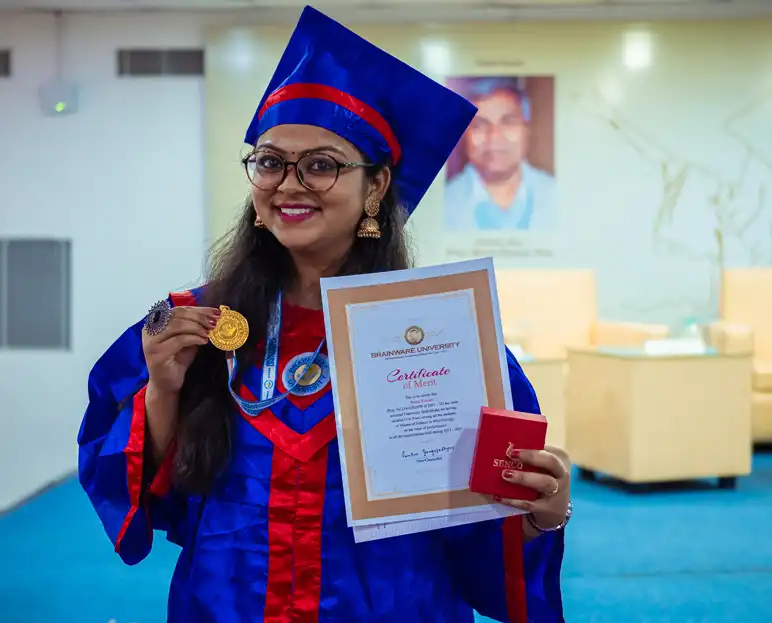
Career options include:
- Medical Laboratory Technologist – Perform diagnostic tests and analyse clinical samples
- Radiology & Imaging Technologist – Operate imaging equipment such as X-ray, CT, and MRI systems
- Anaesthesia & Operation Theatre Technologist – Assist in surgical procedures and anaesthesia support
- Critical Care Technologist – Support ICU, emergency, and critical patient care services
- Physician Associate – Assist doctors in patient examination, diagnosis, and treatment planning
- Optometrist – Diagnose vision problems and provide eye care solutions
- Physiotherapist – Help patients recover mobility and physical function through rehabilitation
- Clinical Research Assistant – Support medical and healthcare research activities
- Healthcare Administrator – Coordinate hospital and healthcare operations
- Diagnostic Lab Executive – Manage laboratory testing and reporting procedures
- Emergency Care Assistant – Support trauma and emergency healthcare services
- Patient Care Coordinator – Manage patient support and healthcare communication
- Rehabilitation Specialist – Work in physical recovery and therapeutic care services
- Academic Professional / Lecturer – Build careers in teaching and allied health sciences education
- Research Scholar – Pursue advanced studies and specialised medical research
This programme offers strong scope in hospitals, diagnostic centres, rehabilitation facilities, emergency care, and specialised healthcare services, making it a highly essential, practical, and rapidly growing career field.
Why Choose Brainware University?
Choose Brainware University for top-tier education, industry-aligned programs, and exceptional career opportunities

Among the best university for Allied Health Sciences with top faculty & infrastructure

Direct admission colleges for Allied Health Sciences - No entrance exam required!

Allied Health Sciences admission fees are affordable with scholarship options

100% Placement Assistance in Leading MNC

-
 Expert Faculty
 -
 World Class Laboratory
 -
 Pre-placement Training
 -
 ExhaustiveLibrary
 -
 Wifi-enabled Campus
 -
 Hostel Facility
 -
 Incubation Support
 -
 Food Court
Student Testimonials
-
 “Brainware University's modern infrastructure creates an optimal learning environment.”Avijit Pattanayek Allied Health Sciences
“The vibrant cultural diversity at Brainware University enriches the overall learning experience, fostering a sense of global awareness and understanding among students from various backgrounds.”
-
 “Brainware University's modern infrastructure creates an optimal learning environment.”Avik Maji Allied Health Sciences
“The invaluable practical exposure gained through meticulously organized industry visits arranged by Brainware University has significantly enhanced my understanding of real-world applications within my field of study”
-
 “The cultural diversity at Brainware University enriches the overall learning experience.”Prasen Roy Allied Health Sciences
“I am deeply appreciative of Brainware University's steadfast commitment to holistic development, which extends beyond academics to encompass personal and professional growth opportunities.”
Recruiters Speak
-
 Naveen Kejriwal General Manager, Overseas Business, Lenovo India
I had a nice time interacting with the students, I admire the academic knowledge that the students share. Furthermore, with the great set of faculty members and the enviable placement track, I feel that the students at Brainware University are in a good place for their career."
-
 Dr K Hari Prasad President, Apollo Group of Hospitals
I extend a heartfelt congratulations to the Chancellor of Brainware University for his outstanding efforts in establishing exceptional infrastructure for students. His unwavering dedication to fortify the education sector and cultivate a skilled community is unmistakable, evident from the impressive campus of this university."
-
 Gangavarapu Anjaneya Reddy Group HR Head, AMRI Hospitals
In the healthcare sector, where we currently employ 5.5 lakhs individuals, this number continues to grow annually. Our primary challenge lies in identifying individuals with the right attitude and talent to meet industry demands. There is a significant skill crisis in the healthcare industry, making it crucial for professionals to focus on developing the aptitude and attitude required for success. We are hopeful that Brainware University is grooming its students to meet these industry expectations."
-
 Sreejit Sarkar Regional Training Manager (East), Lenskart
Lenskart, individuals can pursue two main career tracks: one as an Optometrist and another on the business side, starting from a Store Manager position and progressing to roles such as Area Manager and Zonal Manager. Considering the varied education programs offered at Brainware University, we are confident that students from both fields of study can excel and find their place within our company."
-
 Mr. Vaskar Bhattacharya Regional Head-East, Ginnisystems Ltd.
As recruiters, we are pleased with the performance of the students of Brainware University. We hope to have another partnership with them!"
-
 Ms. Srimoyee Mukherjee Manager HR Nature Technologies Pvt. Ltd.
The students have expressed their seriousness, hard work and dedication. In fact, they have created an everlasting impression and have shown their confidence and competence through wonderful performance."
-
 Mr. Mousam Choudhury Manager Operations, Swiggy
Reflecting on my two days spent at the campus, I must express my admiration for the abundance of talent showcased by the University's students. It has been a truly enriching experience witnessing the calibre and potential these individuals possess."
Start Your Healthcare Career — B Sc MLT Apply Online
Students can now b sc mlt apply online through a simple application process. Medical Laboratory Technology prepares graduates to work in diagnostic labs and hospitals. Early application improves admission chances.
Begin Your Journey with Admission for BSc MLT
Secure admission for bsc mlt and build expertise in diagnostic testing and laboratory science. The programme focuses on pathology, microbiology, and clinical laboratory practice.
Build Clinical Expertise with BSc in Medical Laboratory Technician
A bsc in medical laboratory technician programme trains students to operate modern diagnostic equipment. Graduates assist doctors in identifying diseases through laboratory analysis.
Explore Opportunities in Colleges for BSc in Radiology
Many reputed institutions operate as colleges for bsc in radiology, offering advanced imaging education. Students learn diagnostic imaging techniques used in hospitals and diagnostic centres.
Start Your Career with Admission in BSc Radiology
Apply for admission in bsc radiology and gain training in medical imaging technologies such as CT scans, MRI, and X-ray systems.
Submit the Application Form for BSc Radiology
Complete the application form for bsc radiology and confirm eligibility before admission deadlines. Early submission ensures smooth processing.
Specialised Training in B Sc in Medical Radiography & Imaging Technology
The b sc in medical radiography & imaging technology programme prepares students to work with imaging equipment used in modern diagnostics.
Know the B Sc X Ray Technology Course Fees
Before applying, review b sc x ray technology course fees to understand the cost structure and academic facilities offered.
Understand BSc Medical Imaging Technology Eligibility
Check bsc medical imaging technology eligibility criteria including required academic background and qualifying marks.
Apply Early for BSc Radiology Admission
Secure bsc radiology admission by completing documentation and meeting eligibility guidelines.
Begin Your Career with B Optometry Admission
Students seeking careers in eye care can apply for b optometry admission and gain expertise in vision science and eye health.
Explore Leading Optometry Colleges
Many optometry colleges offer modern laboratories and clinical training in eye care diagnostics.
Study Vision Science through Bachelors in Optometry
A bachelors in optometry prepares students to diagnose vision disorders and assist in corrective treatment.
Discover Top BSc Optometry Colleges
Reputed bsc optometry colleges provide clinical exposure and internship opportunities in eye hospitals.
Find Optometry Colleges Near Me
Searching for optometry colleges near me helps students locate institutions with strong clinical training facilities.
Choose the Best Colleges for Optometry
The best colleges for optometry combine academic teaching with hands-on training in vision care.
Know the B Optometry Course Details
Review b optometry course details to understand subjects such as ocular anatomy, visual optics, and eye testing.
Earn an Optometry Bachelor Degree
An optometry bachelor degree prepares graduates for careers in eye clinics, hospitals, and optical industries.
Apply Early for BSc Optometry Admission <?php echo 2026; ?>
Students planning ahead should complete bsc optometry admission applications early to secure their seats.
Compare BSc Optometry Colleges Near Me
Research bsc optometry colleges near me to evaluate facilities, faculty, and internship opportunities.
Review B Optom Course Details
The b optom course details include visual optics, ocular pathology, and clinical training modules.
Understand BSc Optometry Fees
Before applying, check bsc optometry fees and compare academic facilities offered by different institutions.
Explore BSc in Optometry Colleges
Several bsc in optometry colleges provide advanced clinical laboratories and patient interaction training.
Study at Bachelor of Optometry Colleges
Reputed bachelor of optometry colleges offer strong academic programmes with hospital training.
Learn More from Bachelor of Optometry Course Details
Review bachelor of optometry course details to understand career pathways in vision care and eye health.
Know BSc Optometry Eligibility Requirements
Check bsc optometry eligibility criteria before applying for admission.
Start Healthcare Careers with BSc Physician Assistant Course
The bsc physician assistant course trains students to assist doctors in diagnosis and patient care.
Study Clinical Support with Bachelor of Science in Physician Assistant
A bachelor of science in physician assistant programme combines clinical science with practical training.
Build Medical Expertise through Physician Assistant B Sc
The physician assistant b sc programme prepares students to support physicians in hospitals and clinics.
Review BSc Physician Assistant Course Details
The bsc physician assistant course details include anatomy, pharmacology, and patient management.
Explore BSc Physician Assistant Colleges
Many bsc physician assistant colleges offer structured hospital training and internships.
Understand BSc Physician Assistant Course Fees
Check bsc physician assistant course fees to compare institutions and programme value.
Review BSc Physician Assistant Fee Structure
Students should examine the bsc physician assistant fee structure before applying.
Learn About BPT Admission Course Details
Students seeking physiotherapy careers should review bpt admission course details carefully before applying.
Understand Physiotherapy Course Details After 12th
The physiotherapy course details after 12th include anatomy, rehabilitation science, and physical therapy techniques.
Check BPT Course Eligibility
Verify bpt course eligibility criteria including science background requirements.
Review BSc Physiotherapy Course Details
The bsc physiotherapy course details explain subjects such as kinesiology and therapeutic exercises.
Understand B Sc in Physiotherapy Course Details
Students should examine b sc in physiotherapy course details before confirming admission.
Check B Sc in Physiotherapy Eligibility
Confirm b sc in physiotherapy eligibility to ensure you meet academic requirements.
Understand B Sc Physiotherapy Eligibility
Students must review b sc physiotherapy eligibility guidelines before applying.
Learn Bachelor of Physiotherapy Course Details
The bachelor of physiotherapy course details highlight clinical rehabilitation training and hospital internships.
Know Bachelor of Physiotherapy Course Eligibility
Review bachelor of physiotherapy course eligibility requirements before submitting applications.
Understand Bachelor of Physiotherapy Details
The bachelor of physiotherapy details include subjects related to movement science and therapy techniques.
Start Your Career with OT Technician Course Admission
Students interested in surgical support roles can apply for ot technician course admission.
Explore BSc OT and Anesthesia Technology Colleges
Leading bsc ot and anesthesia technology colleges provide operating theatre training.
Discover BSc in OTT Colleges
Several bsc in ott colleges offer modern surgical technology education.
Find BSc OTT Colleges Near Me
Students searching for bsc ott colleges near me can compare facilities and academic quality.
Understand OT Technician Admission Process
The ot technician admission process usually includes eligibility verification and counselling.
Study BSc Operation Theatre Technology
The bsc operation theatre technology programme prepares students for surgical support roles.
Explore B Sc Operation Theatre & Anaesthesia Technology Colleges
Many b sc operation theatre & anaesthesia technology colleges offer advanced training for surgical environments.
Compare B Sc Operation Theatre Technology Colleges
Students should review b sc operation theatre technology colleges based on infrastructure and clinical exposure.
Know BSc OT Technician Course Fees
Before admission, check bsc ot technician course fees to plan academic expenses.
Study BSc OT and Anesthesia Technology
The bsc ot and anesthesia technology programme prepares students for operating theatre management.
Understand BSc Operation Theatre & Anaesthesia Technology
Students interested in surgical support should explore bsc operation theatre & anaesthesia technology programmes.
Learn Bachelor of Operation Theatre Technology
A bachelor of operation theatre technology degree trains students in surgical assistance and theatre management.
Explore BSc Anesthesia and Operation Theatre Technology Colleges
Leading bsc anesthesia and operation theatre technology colleges offer hospital training facilities.
Review B Sc in Operation Theatre Technology Fees
Students should check b sc in operation theatre technology fees before applying.
Understand B Sc Operation Theatre Anaesthesia Technology Course Details
The b sc operation theatre anaesthesia technology course details include surgical preparation and anaesthesia management.
Study B Sc OT Technician Course
A b sc ot technician course prepares students for surgical support roles.
Review B Sc OTT Course Fees
Check b sc ott course fees before confirming admission.
Learn BSc Anesthesia and Operation Theatre Technology Course Details
The bsc anesthesia and operation theatre technology course details explain subjects and clinical training requirements.
Allied Health Sciences- Programme Highlights
Students aspiring to build a rewarding career in healthcare can now explore a wide range of paramedical degree courses and allied health professionals courses, with paramedical admission 2026 currently open across several reputed institutions. These career-focused programs, including BSc Allied Health Sciences courses, are ideal for those looking to join the fast-growing medical support sector. With increasing demand for health allied science courses, students can choose from the best paramedical courses like BMLT and BSc MLT, or specialized programs such as Bachelor of Health Science Physician Assistant. The admission process is flexible, and many institutions offer direct admission in paramedical courses along with options for paramedical courses after 12th and even paramedical courses after 12th without NEET. For those eager to get started, paramedical online application forms and paramedical admission apply online portals are now live, enabling a hassle-free application experience. The eligibility for paramedical courses generally includes 10+2 qualification in Science, and some colleges conduct an entrance exam for paramedical courses, while others grant paramedical courses without NEET or based on merit. As students search for the best colleges for paramedical courses, affordability remains key, with many institutions offering competitive paramedical course fees in private colleges, paramedical courses fees, and financial assistance to deserving candidates. Programs like CCT (Cardiac Care Technology) are also gaining popularity, and candidates often inquire about CCT fees and eligibility. Whether it’s after 12th paramedical courses or upgrading to a BSc BMLT, the opportunities in allied health sciences are vast and career-oriented. If you're ready to step into the world of healthcare with industry-ready training and clinical exposure, now is the time to apply for paramedical courses admission 2026 and secure your place in one of the best paramedical courses after 12th.
Why Choose Paramedical & Allied Health Science Courses?
Top Paramedical Degree Courses & Specializations
Top 10 Paramedical Courses After 12th
Best Colleges for Paramedical Courses – Admission Open!
Paramedical Admission 2026 – Apply Now!
Paramedical Course Admission 2026 – Apply Now!
Frequently Asked Questions (FAQ)
Paramedical courses are specialized healthcare programs designed to train individuals to support medical professionals in various clinical and healthcare settings. These courses cover a range of disciplines such as nursing, physiotherapy, medical laboratory technology, radiography, and more.
Brainware University offers a variety of paramedical courses, including but not limited to Bachelor of Science in Nursing (B.Sc. Nursing), Bachelor of Physiotherapy (BPT), Bachelor of Medical Laboratory Technology (BMLT), Bachelor of Radiography & Imaging Technology (BRIT), and Diploma in Medical Laboratory Technology (DMLT).
The duration of paramedical courses at Brainware University varies depending on the specific program. Typically, undergraduate programs such as B.Sc. Nursing and BPT span four years, while diploma programs like DMLT may range from one to three years.
Eligibility criteria may vary depending on the program. Generally, candidates must have completed 10+2 with a science background (Physics, Chemistry, Biology) or an equivalent examination from a recognized board. Specific requirements such as minimum aggregate marks and subject prerequisites may apply.
Brainware University may conduct entrance exams for certain paramedical courses. Prospective students should check the university's official website or contact the admissions office for information regarding entrance exams and their respective syllabi.
The curriculum of paramedical courses typically includes a combination of theoretical knowledge and practical training in subjects relevant to the chosen discipline. Common subjects may include Anatomy, Physiology, Pathology, Pharmacology, Microbiology, Clinical Skills, and Healthcare Management.
Yes, Brainware University integrates practical training components such as internships, clinical rotations, and hands-on experience into its paramedical course curriculum. These opportunities allow students to gain real-world exposure and develop essential clinical skills under the supervision of experienced professionals.
Graduates of paramedical courses from Brainware University can pursue diverse career paths in healthcare settings such as hospitals, clinics, diagnostic laboratories, rehabilitation centres, research institutions, and public health agencies. Career options may include staff nurses, physiotherapists, medical laboratory technologists, radiographers, healthcare administrators, and more.
Depending on the demand and industry trends, Brainware University may offer specialized paramedical programs or concentrations in areas such as Critical Care Nursing, Orthopedic Physiotherapy, Clinical Pathology, Radiography, etc. Prospective students should inquire with the university for details on specialized offerings.
Interested candidates can apply for admission to paramedical courses at Brainware University through the official website or offline mode as per the university's admission guidelines. The application process typically involves filling out an application form, and submitting required documents, and may include entrance exams or interviews.
The paramedical professionals are thoroughly trained in a branch of paramedical sciences, also known as the Allied Health Sciences. This involves absorbing knowledge in medical and healthcare technology, and equipment, and assisting with the man-machine interface, in the presence or absence of the doctor to stabilise a patient’s condition. Paramedics are also responsible for conducting diagnoses and producing diagnostic reports.
Based on a report published by WHO, the modern healthcare system would be needing more than 90 lakhs of skilled paramedics by 2026. With the booming of super-specialised healthcare systems, Allied Health Science professionals have gained an increased demand for delivering quality healthcare services.
The School of Paramedical Sciences or Allied Health Sciences at Brainware University offers a range of courses in optometry, physiotherapy, ALT, MRIT, OTT, CCT and so on. Brainware is equipped with modern laboratories for advanced research, hospital-industry tie-ups for training and internships, and mentoring by top healthcare professionals.